
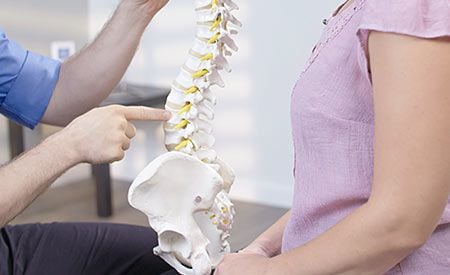
If you go to a chiropractor, one of the key conditions the doctor will be looking for is what we refer to as a “subluxation.” The term may be unfamiliar, but it has been used in the chiropractic field for over a century. In chiropractic, “subluxation” has traditionally been used to refer to a misalignment of the vertebrae resulting in interference with nerve transmission, thereby impacting body function. The definition has been broadened in recent years to include any distortion or imbalance anywhere in the body, not just the spinal column, that interferes with the conduction of nerve impulses or other body structures, negatively affecting your health.
How Chiropractors See Subluxation
Chiropractors undergo years of training to identify, treat and prevent musculoskeletal disorders without drugs or surgery. To a chiropractor, a subluxation is more than a joint out of whack—it represents a constellation of interconnected events. These changes, known as "components," are a complex interaction of bone, nerve, muscle, soft tissue and biochemical factors that can affect your entire well-being.
A vertebral subluxation can put pressure on or interfere with overall nerve function throughout the body. Many chiropractors talk about optimizing health by making sure your nervous system is free from interference (subluxations) that could potentially result in dysfunction or disease of the body.
Although chiropractors do not specifically treat disorders of the organs and internal structures, we aim to treat the spine and other musculoskeletal structures so the nervous system can function optimally. Nerves travel through the spinal column to and from the rest of the body, so if certain vertebrae are out of alignment, you may suffer from a problem in a different area of the body. For example, it may not occur to most people that digestive problems could be linked to vertebrae of the lower back. However, nerves that exit the lower spine (vertebrae L1 through L5) can affect the large intestines, abdomen, bladder, reproductive organs and other parts of the body.
When interference to nerve transmission is removed, not only may pain and inflammation be relieved in specific areas such as the back, neck or extremities (arms, hands, legs and feet), but full expression of the spinal nerves that carry signals to every part of the body may be restored.
What Chiropractors Look For
During an examination, chiropractors carefully check your spine, looking for key signs that indicate dysfunction. This can be done by feeling for vertebral movement in the spine, taking x-rays or other images, looking at range of motion and testing muscle strength. We look for harmful changes in tissue caused by misaligned or locked joints, including:
- Hyperemia: excess blood in an area due to an obstruction that prevents normal blood flow
- Congestion: areas in the muscles where toxins develop due to joint dysfunction
- Edema: swelling in tissues due to fluid leaking from the body’s capillaries, the small blood vessels
- Minute hemorrhages: small amounts of bleeding from the blood vessels
- Local ischemia: muscle pain caused by lack of blood flow, which can make the muscle tender to the touch
- Atrophy: shrinkage or wasting of muscle tissue as a result of disease, disuse, surgery or other conditions.
- Tissue rigidity: adhesions causing stiffness in the ligaments, tendons and muscles rather than the bones of the joints or spine
- Inflammation: irritations caused by nerve impingement produced in the subluxation
How Chiropractors Treat Subluxation
We treat subluxations most frequently through spinal manipulations (specific and precise manual adjustments) especially designed to unlock and realign the vertebra and relieve pressure on the nerve and surrounding tissue. During an adjustment, you may hear a crack or pop, which happens when gases in the joint fluid are released. After an adjustment, you should have more movement in the joint. Chiropractors are highly trained to deliver this procedure safely and effectively, and it has been clinically shown to help with many musculoskeletal conditions, including:
- back pain
- migraine and neck-related headaches
- neck pain
- pain and lack of mobility in the joints of the extremities
- whiplash disorders
Manual therapies trace back thousands of years to different cultures, including the Kung Fu masters of Asia. The modern-day chiropractic profession was developed in the United States about 125 years ago, and spinal adjustments to correct subluxations have been a key component from the beginning. Over the decades, chiropractors have refined and added to their techniques and pursued clinical research to evaluate their practices. Chiropractic therapy to treat subluxations can aid in the restoration and maintenance of health as well as the prevention of many kinds of pain.
If you have stiffness, soreness or pain in your joints, neck or back and want to avoid surgery or drugs, a chiropractic examination can determine if a subluxation is the cause. We have many therapies that can get you moving and feeling better!