

If you've been in a car accident, you may feel your injuries right away or not for days or even weeks. A chiropractor can evaluate and treat you after an accident, both for injuries to the spine and muscles that are immediately apparent and for many of those that are “silent.”
Getting timely chiropractic care can lower the risk of long-term complications from car accident injuries. One study showed that accident victims with neck, upper back and lower back pain who had chiropractic care experienced a significant decrease in pain and increase in movement compared to patients who received a cervical collar and rest. Experts rated 83% of the subjects as “much improved” after chiropractic treatment.
Typical Musculoskeletal Injuries From Auto Accidents
What is remarkable is that many musculoskeletal injuries result from low speed car accidents—the typical being the rear-end collision with vehicles moving 15 miles per hour or less. In such cases, newer vehicles are designed to withstand such impacts with minimal damage, but unfortunately those forces can be transmitted to the occupants instead. The result is injury in situations that you might normally regard as minor.
Here are some common injuries from car accidents that chiropractors see and treat on a regular basis:
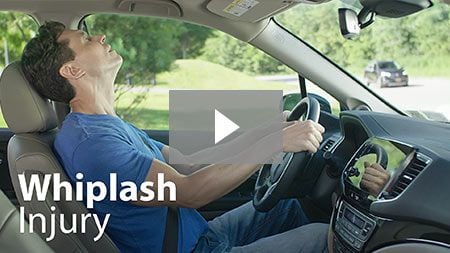
- Whiplash: Wearing seatbelts reduces extreme trauma but increases neck injury, especially to muscles and ligaments. When a crash throws your head forward and back, forces measuring thousands of pounds can be exerted on your neck, but it can take days for the injury to show up. Whiplash can cause dizziness, headaches, blurred vision or a sore neck. Chiropractic treatment includes gentle stretching, working on optimizing alignment, and soft tissue therapies to reduce inflammation and relieve painful knots in your muscles. As you heal, cervical adjustments help restore mobility and range of motion.
- Herniated discs: A crash can jar spinal discs out of place in the upper, mid or lower back. A herniated disc, which is when the core of the disc bulges through the outer layer, can press on nerves or other soft tissues and cause inflammation, pain, weakness or numbness. Chiropractors use techniques to open up the area and allow the disc to return to position, reducing pressure on nerves and relieving pain and inflammation.
- Spinal misalignment: Car accidents can throw spinal joints out of alignment, causing instability, pain and reduced function. Spinal adjustments—the hallmark chiropractic treatment—realign your spine, which alleviates pain, increases mobility and encourages the body to heal.
- Soft tissue injuries: Some injuries to the muscles and ligaments are easy to identify, but others are micro-tears of the delicate soft tissues of the spine. It's important to treat these injuries quickly so they heal properly. Otherwise, scar tissue can form and cause chronic pain and loss of function. Muscle weakness after an injury makes you vulnerable to re-injury, so it's important to help soft tissues heal quickly. Chiropractors may use manual techniques and therapies such as ultrasound, cold laser and mild electrical stimulation to treat injured muscles.
Early diagnosis and treatment is vital after a car crash, and chiropractic treatment can help relieve pain without the use of medication. Although pain medication is frequently used after an injury, it can mask a problem rather than addressing the cause of pain. Some prescription painkillers, like opioids, come with the danger of overuse and addiction. Research has shown that opioid use for the treatment of pain is less common among patients who see chiropractors.
Chiropractors are experts in addressing disorders of the spine, nervous system and supporting structures using conservative, non-invasive techniques that help the body heal naturally. Even if you walk away from a fender bender, consider scheduling a consultation with a chiropractor, who can evaluate you and suggest a treatment plan to address both symptomatic and hidden injuries.